Modash Alternatives: When You Need Full Campaign Management, Not Just Discovery
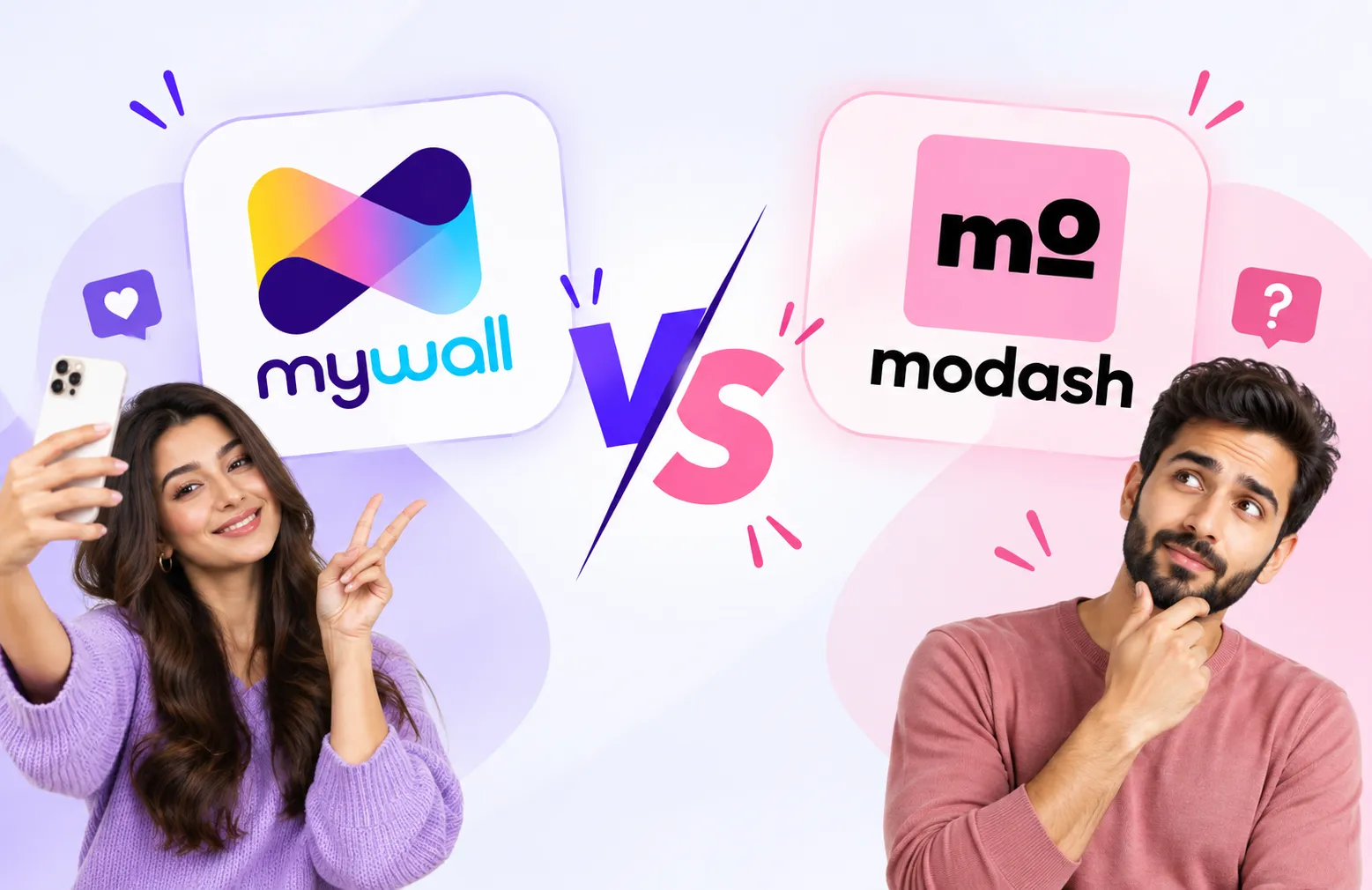
If you're reading this, you've probably already spent time inside Modash or a tool like it, searching creator databases by follower count, engagement rate, or audience location. At some point, a question surfaces: is this enough, or will you need something else once discovery turns into an actual campaign? That question is the whole point of this comparison.
What Modash Does (and Why Marketers Search for Alternatives)
Modash is an influencer discovery tool. It gives brands and agencies a searchable database of creators across Instagram, TikTok, and YouTube, with filters for audience demographics, engagement rate, follower growth, and content category. According to Modash's own published figures, its database pulls from over 380 million creator profiles, which is genuinely useful when you're trying to narrow a global creator pool down to a shortlist that matches a specific audience or niche.
Where Modash earns its reputation is in the research phase: audience overlap checks, fake follower detection, and export features that let a marketer build a longlist quickly. For a brand running its first influencer search, or an agency vetting creators before a pitch, that's real value.
So why do marketers go looking for a Modash alternative at all? Usually not because the discovery features fall short, but because discovery is only the first stage of a campaign. Once a shortlist becomes a real campaign, with outreach emails, contract terms, content approvals, payments, and performance reporting, the search stops and a different kind of work begins. Modash, like other tools in its category, doesn't extend into that territory in a meaningful way, and that gap is what sends people searching for something broader.
Discovery-Only vs. Full-Funnel Platforms: The Core Distinction
The clearest way to understand the difference is to separate the influencer marketing workflow into two halves: finding creators and running a campaign with them.
Discovery-only tools like Modash are built for the first half. Their core job is search and filtering across a large creator database, and their business model reflects that: pricing is typically structured around database access and search credits, not campaign volume. Other tools in this category, such as HypeAuditor and Influencer Hero, also advertise large creator databases (exact figures vary by source and change over time) and compete primarily on the size and accuracy of their database, not on what happens after you find a match.
Full-funnel platforms cover the second half, and often the first too. Instead of stopping at a shortlist, they manage outreach and communication, contract and deliverable tracking, content review, payment processing, and post-campaign reporting, all within a single workspace tied to the same campaign.
The practical distinction, when you're running an actual comparison, comes down to this:
| Capability | Discovery-only tool | Full-funnel platform |
|---|---|---|
| Search and filter creator database | Yes | Often yes |
| Audience/fake follower checks | Yes | Varies by platform |
| Outreach and messaging management | No | Yes |
| Contract and deliverable tracking | No | Yes |
| Payment processing | No | Yes |
| Campaign performance reporting | No | Yes |
Neither category is objectively "better." A discovery-only tool is the right scope for a team that only needs sourcing help. A full-funnel platform is the right scope for a team that needs to run the campaign end to end, not just find who's in it.
Signs You Need More Than Discovery
Most teams don't decide upfront which category they need. They find out mid-campaign, when a workflow that worked fine for sourcing starts to strain under everything that comes after. A few concrete signs it's time to look beyond a discovery-only tool:
- You're managing outreach in spreadsheets and email threads: Once you're tracking follow-ups, response status, and negotiated rates for more than a handful of creators, a discovery tool's export list stops being enough on its own.
- Contracts and deliverables live in separate documents: If content briefs, usage rights, and posting deadlines are scattered across email, Google Docs, and DMs, you've outgrown discovery-stage tooling.
- Payments require manual tracking: Discovery tools don't handle invoicing or payouts, so once you're paying multiple creators per campaign, that becomes a separate manual process.
- Reporting means pulling screenshots or manually compiling engagement numbers: A discovery database can tell you who to approach; it generally can't tell you how a campaign actually performed once it's live.
- You're running campaigns across multiple creators or platforms simultaneously: Coordinating deliverables and timelines by hand becomes harder to sustain as campaign complexity grows.
If two or more of these sound familiar, that's usually the point where influencer outreach and campaign management, not just discovery, become the actual bottleneck.
Where a Platform Like MyWall Fits as a Modash Alternative
Once you've identified that discovery isn't the gap, the question becomes what a full-funnel alternative actually looks like in practice. This is where a platform built for end-to-end campaign management, rather than search alone, fits the need that a discovery-only tool by design doesn't cover.
MyWall is built as an AI-powered influencer marketing platform that covers the full campaign lifecycle: creator discovery, outreach, contract and content management, payments, and performance reporting, in one workspace. For a marketer who has already done the discovery-stage evaluation and confirmed the real friction is downstream, that's the category difference that matters, not another database with a different creator count.
The point isn't that a full-funnel platform is inherently superior to a discovery tool. It's that they solve different problems, and once your problem has moved past "who should we approach," a discovery-only tool simply isn't built to follow you there.
Choosing the Right Fit: Discovery Tool or Full Platform
There's no universal right answer here, only a right answer for your team's current stage and workload. A few practical questions can help you decide:
- How many campaigns are you running, and how often? A single occasional campaign with a small creator list can often be managed with a discovery tool plus manual outreach. Frequent or overlapping campaigns tend to need centralized management to avoid dropped follow-ups and missed deadlines.
- Do you have dedicated resources for outreach, contracts, and payments? If those tasks currently fall to one person juggling spreadsheets alongside other responsibilities, that's a strong signal a full platform will save more time than a bigger discovery database would.
- How important is unified reporting? If you need to show campaign ROI across multiple creators and platforms in one report, rather than compiling it by hand afterward, that capability sits squarely in full-campaign-management territory, not discovery.
- What's your budget structure? Discovery tools are typically priced around database access. Full-funnel platforms are priced around managing the whole campaign process. Matching the tool to what you're actually paying to solve avoids paying for scope you won't use, or under-tooling a workflow that's already outgrown spreadsheets.
Running an honest influencer discovery tool comparison means being clear-eyed about what each category is actually built to do. Modash and similar tools do discovery well. If your bottleneck is finding the right creators, they remain a reasonable choice. If your bottleneck has moved to running the campaign itself, from outreach through reporting, that's a different category of tool entirely, and it's worth evaluating platforms built for that scope before committing budget to either one.



 820, Golf Course Road Sector 42, Gurugram Haryana -122001, India
 support@mywall.me
 +91 81305 73468


